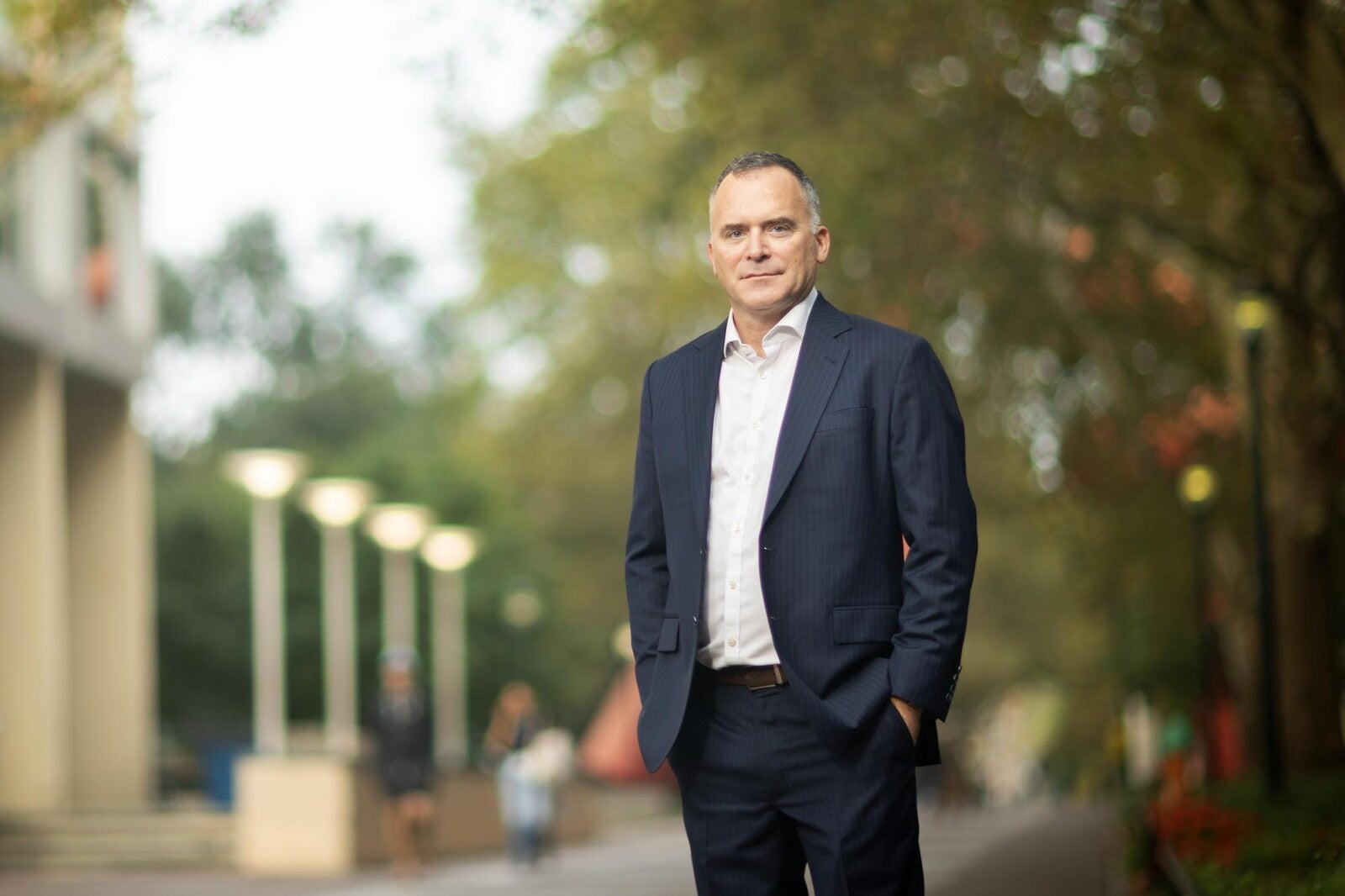
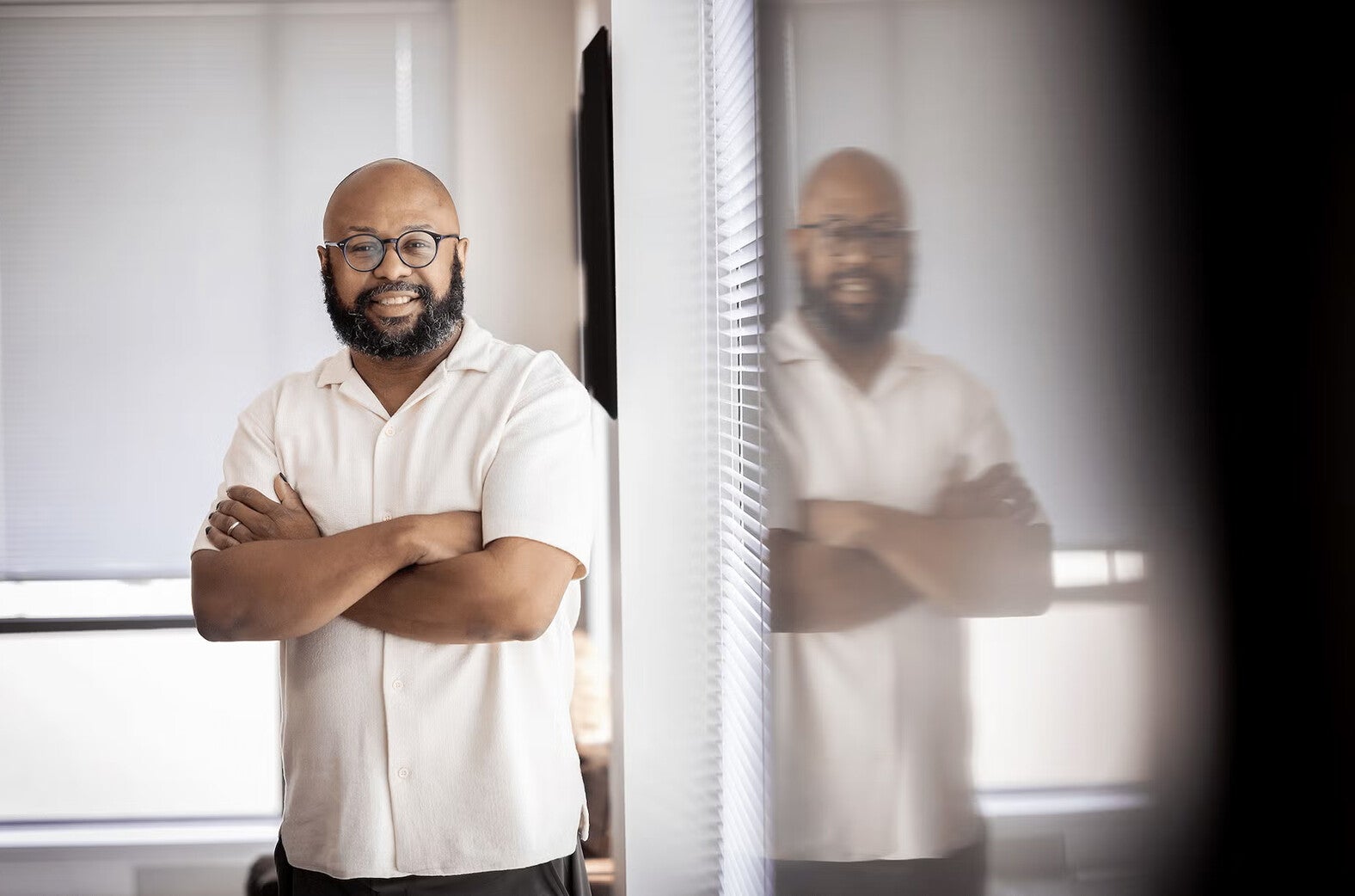
Tom Murphy, chair of the Operational Transformation working group for Penn Forward, as well as senior vice president and chief transformation officer, discussed leading change in non-academic areas of Penn. “There’s a willingness from the schools and centers to engage with a level of enthusiasm and open-mindedness I did not expect,” he says. “What I’m hearing is yes, this is going to be really hard, disruptive, anxiety-inducing, ‘But let’s talk about how we can do this together.’ And that’s just so encouraging that there are possibilities in front of us that not just work well but really meet the goals of the transformation.”
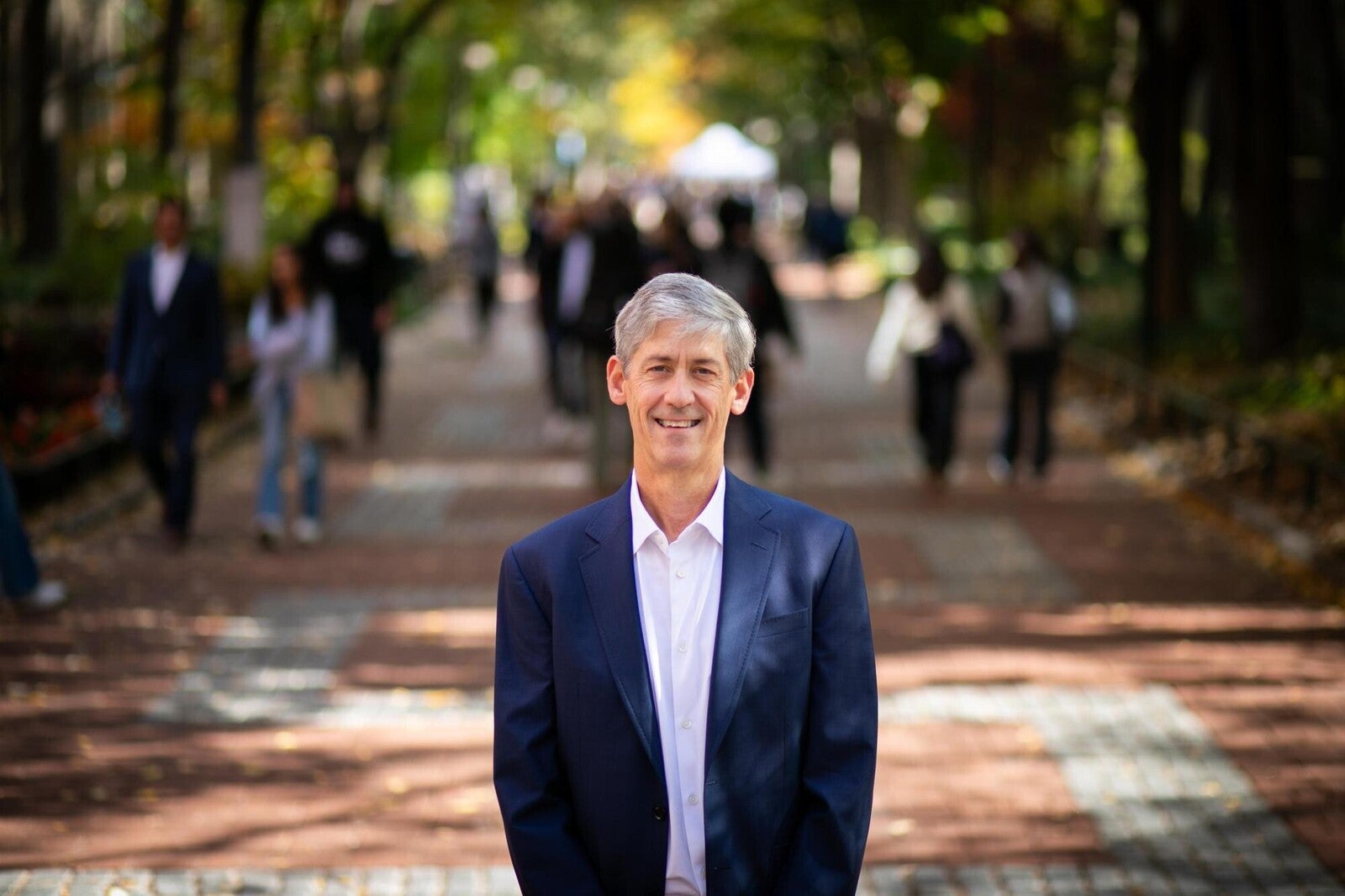
Russell Composto, chair of Penn Forward’s Undergraduate Education and Innovation working group and vice provost for undergraduate education, spoke about the future of the undergraduate experience at Penn. “Penn Forward is a once-in-a-lifetime opportunity, I think, to evolve the curriculum at the University of Pennsylvania for undergraduates,” says Composto. “And if done right, we’ll be setting up current and future students for a successful education that leads to a fulfilling life.”
Michael Weisberg, a professor of philosophy and deputy director of Perry World House, was appointed to lead the continued implementation of recommendations from the 2024 University Task Force on Antisemitism and the Presidential Commission on Countering Hate and Building Community. “A fundamental question moving forward is this: How do we best live up to our commitment to pluralism—to finding ways for all of us at Penn to live well together, despite our differences?” says Weisberg. “That’s the project I’m most excited about, and I invite everyone to be a part of it.”
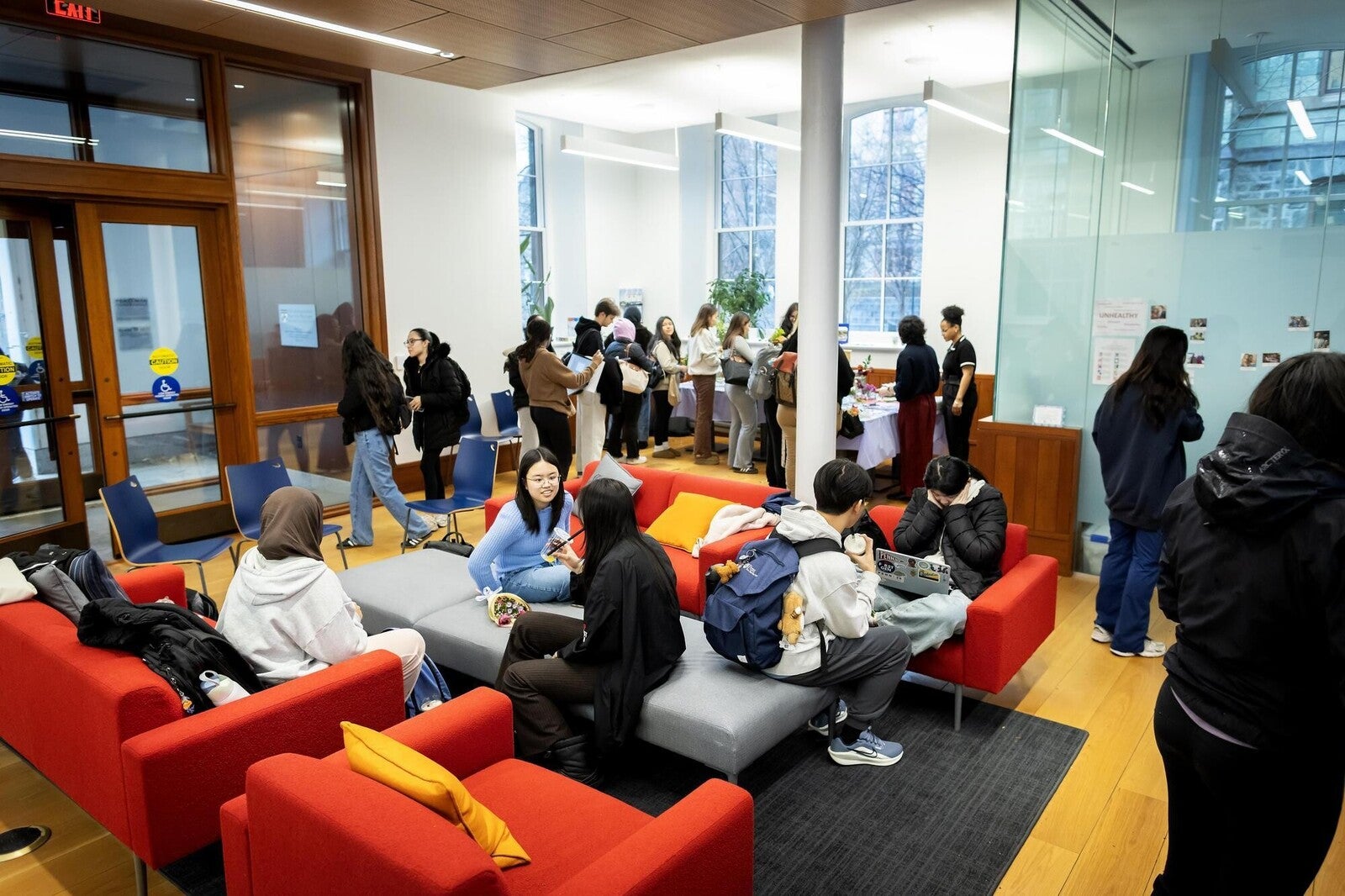
This fall, Penn First Plus Executive Director Marc Lo and colleagues are expanding P1P programs, launching a training series for faculty and staff, expanding a mentorship program, implementing new faculty engagement programs, and collaborating with alumni on career trips. “Working with a student population who so very clearly wants to use their time at Penn to improve the world is not only incredibly rewarding, but also aligns really well with the ethos of the University’s founder and our commitment to education and research for the social good,” says Lo.
Sanya Carley, a professor of energy policy and city planning in the Weitzman School of Design and faculty director of the Kleinman Center for Energy Policy, was named vice provost for climate science, policy, and action. Carley “is a widely admired teacher, mentor, and collaborator who will be a dynamic catalyst across campus on issues of energy, climate, and sustainability,” says Provost John L. Jackson Jr.
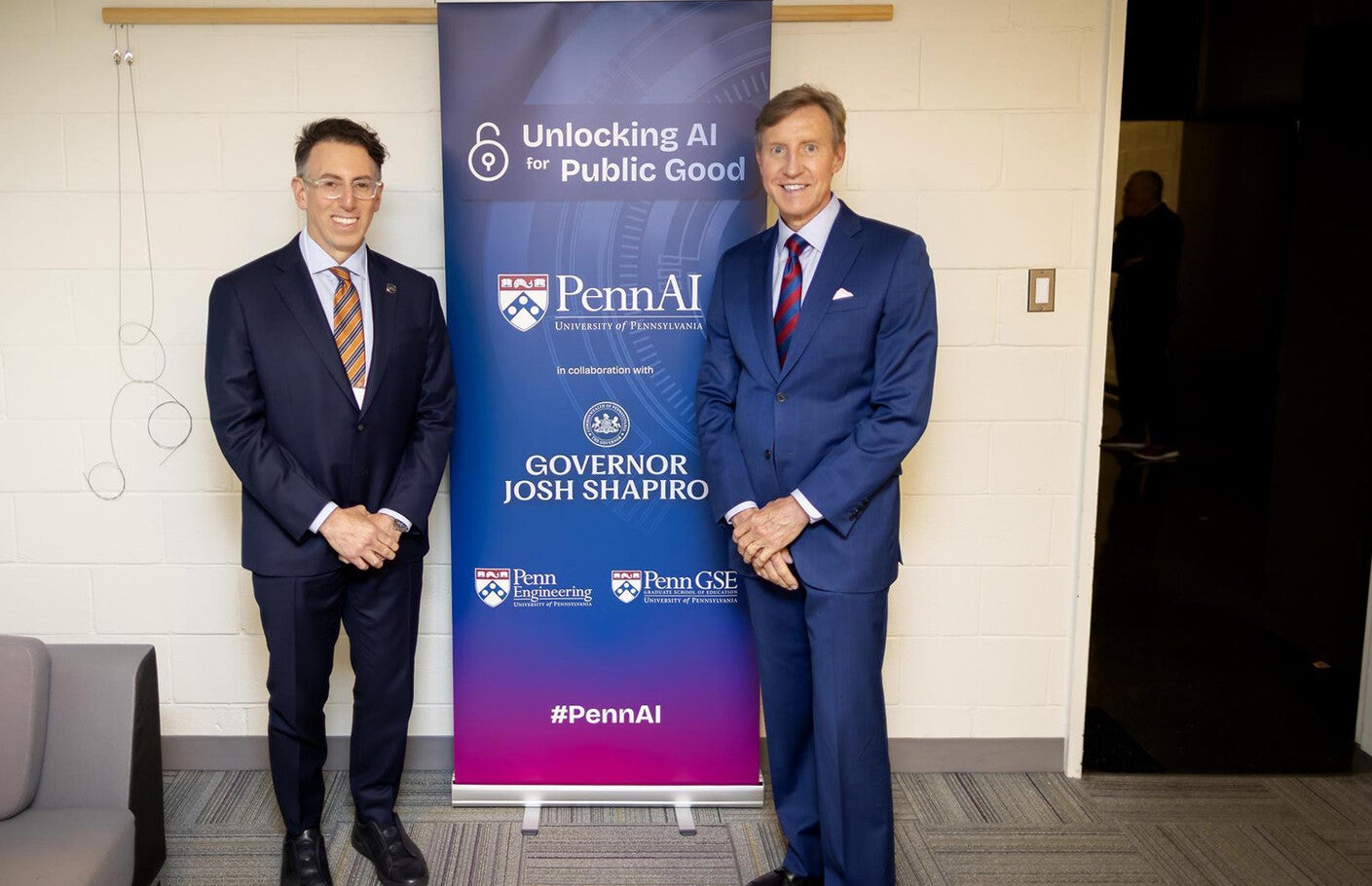
Penn and Pennsylvania Governor Josh Shapiro’s Office of Administration announced a cooperative agreement for artificial intelligence and advising services, leveraging Penn’s faculty experts and leadership to support AI policy and provide the Commonwealth with expertise related to AI organizational strategy, risk assessment, and governance.
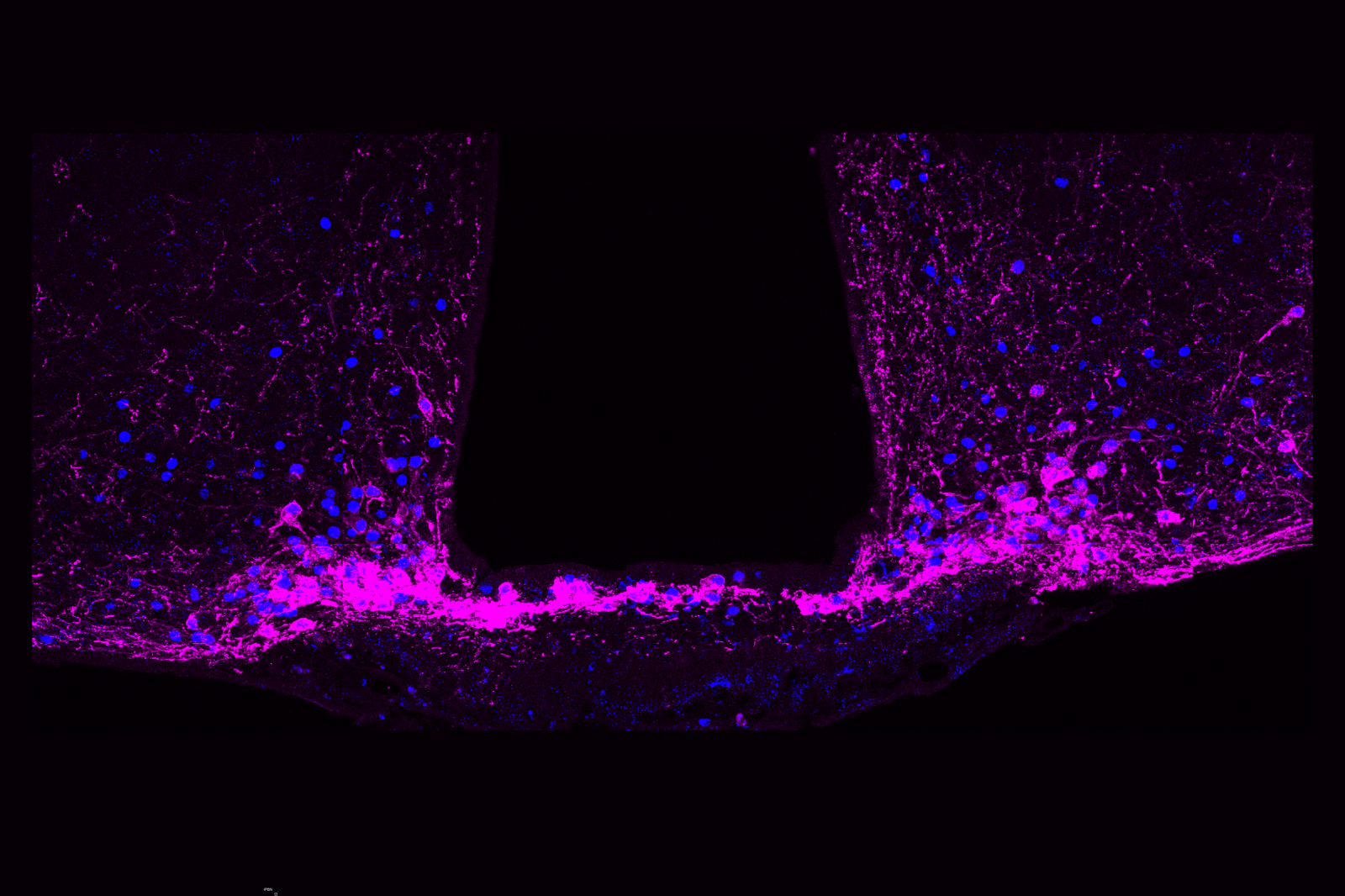
Research led by J. Nicholas Betley and collaborators at the University of Pittsburgh and Scripps Research Institute has found that a critical hub in the brainstem holds a mechanism for stopping pain signals from reaching the rest of the brain. Their findings could help clinicians better understand chronic pain and lead to new treatments. (Image: J. Nicholas Betley)
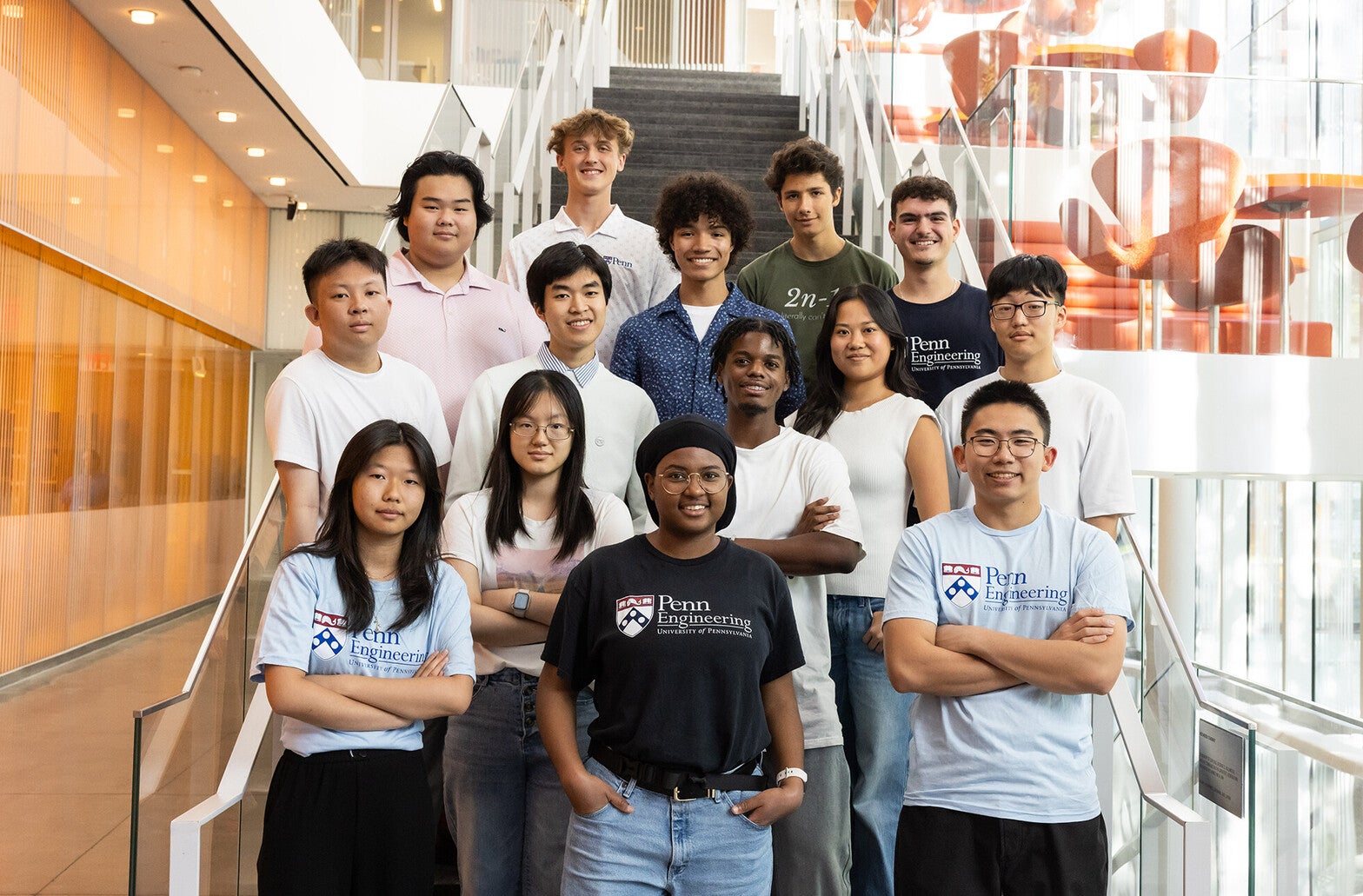
The School of Engineering and Applied Science received a $11 million investment from the A. James & Alice B. Clark Foundation to expand the institution’s Clark Scholars Program, a holistic initiative that combines financial aid, mentorship service, and entrepreneurship to prepare future engineers to lead, innovate, and give back. “This investment strengthens the Clarks’ vision that engineers should serve, not just build, preparing generations of Clark Scholars to lead with technical excellence and a spirit of service,” says Penn President J. Larry Jameson. (Image: Courtesy of Penn Engineering)
Penn Live Arts announced a $5 million gift to support and name the 325-seat proscenium theatre in the new Student Performing Arts Center, designed by Steven Holl Architects and currently under construction. It will open in early 2027.
A $3 million bequest from Steven A. Lipman to Penn Libraries will support a bibliographer for the humanities, a fund to purchase resources for the Department of History, and a fund to support Penn Libraries’ work in Philadelphia public schools. “Steve’s generous support of the Penn Libraries ensures we can equip students with the resources and tools they need to thrive,” says Brigitte Weinsteiger, vice provost and director of the Penn Libraries.
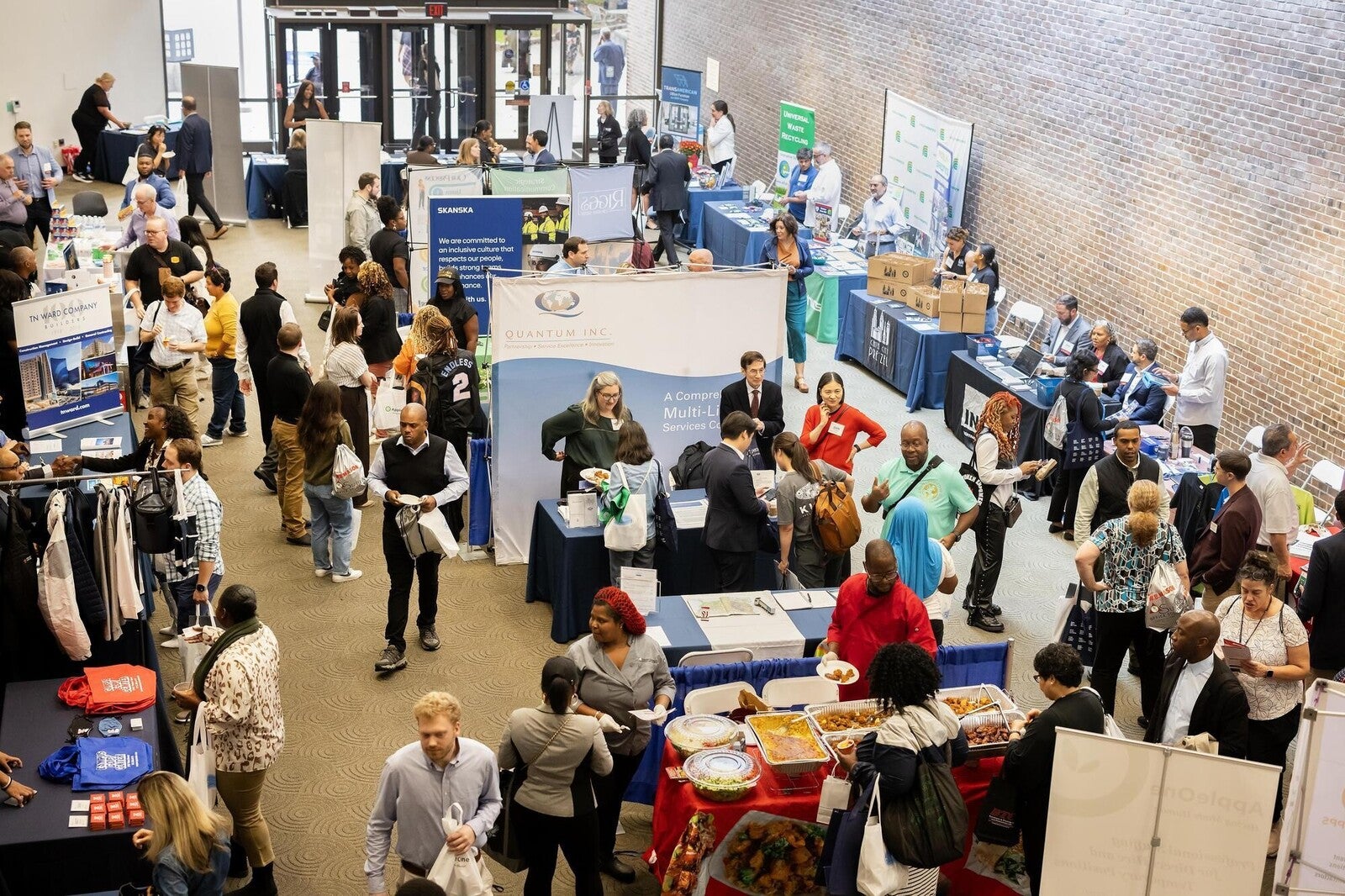
The University hosted its eighth annual Penn Local Business Exchange, gathering entrepreneurs, city officials, and buyers at Penn. “When Philadelphia thrives and succeeds, Penn does too,” said Provost John L. Jackson Jr. at the event. “In practical terms, that means when the University works with local businesses, we’re doing more than buying a product or a service: We’re investing in a system that creates jobs, that supports families, that promotes investments and entrepreneurship, and that genuinely grows the local economy.”
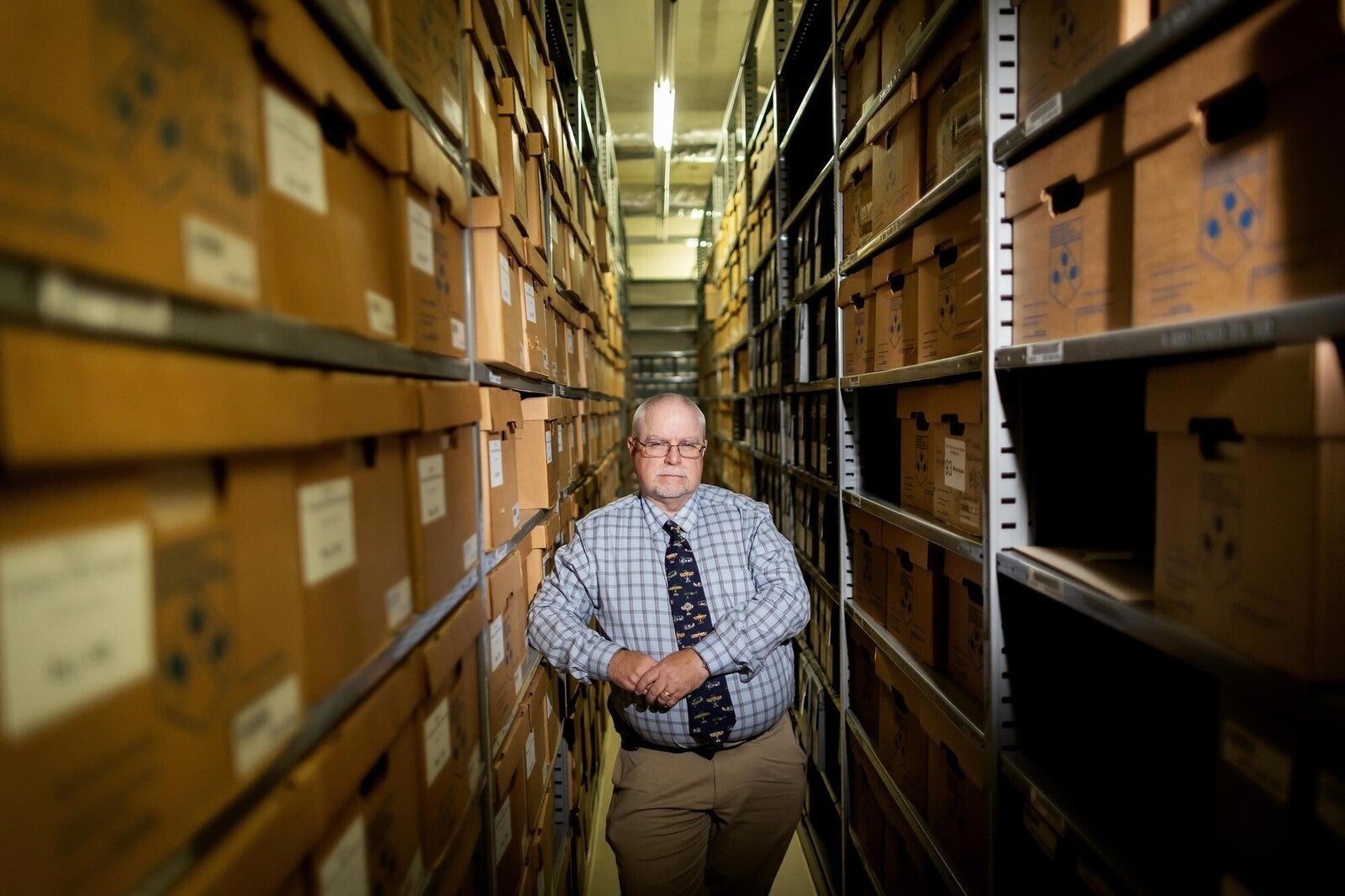
Joseph James “J.J.” Ahern, senior archivist at the University Archives and Records Center, manages Penn’s historic records by day and, away from work, recently served as a guest curator for an exhibition on the history of the U.S. Navy at the Historical Society of Pennsylvania, in connection with the 250th anniversary of the U.S. Army and Navy. Ahern’s work is one of many highlights in Penn Today’s Side Gigs for Good series.
The Office of University Communications published its latest edition of Research at Penn, spotlighting research and the people behind it that enable longer, healthier lives and creatively solve real-world problems.
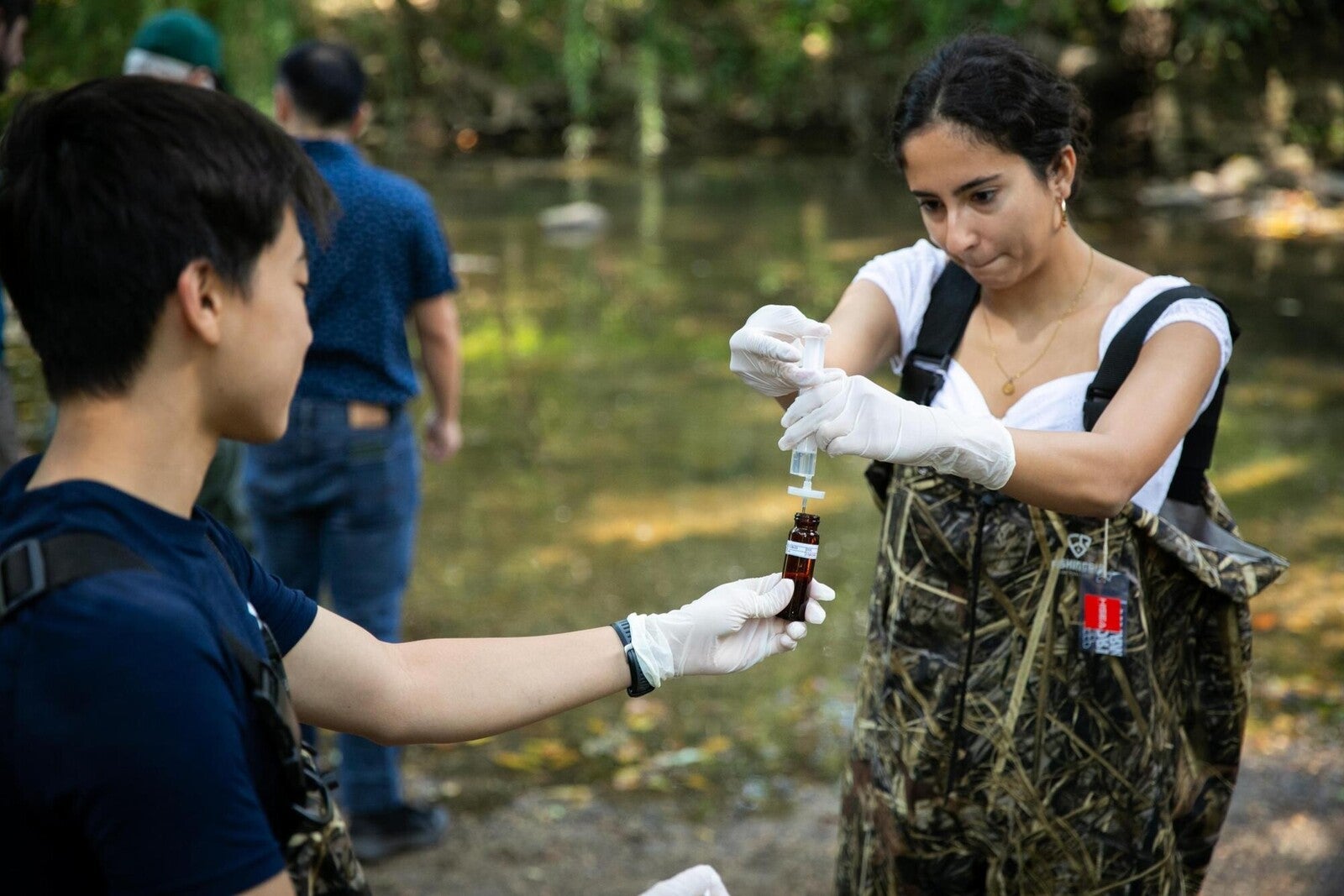
Since last year, Assistant Professor of Earth and Environmental Science Jon Hawkings has led students in conducting in-depth water sampling and analysis at Cobbs Creek, an impaired stream with data gaps about its water quality. The group of researchers and community members are focused on empowering young leaders—from high school students to postdocs—in water quality monitoring. The effort builds off community efforts and The Water Center at Penn’s education initiatives at Cobbs Creek.
The Phones in Focus research initiative, led by Angela Duckworth of the School of Arts & Sciences and the Wharton School, alongside a team of economists, in preliminary survey findings found that stricter school-wide cell-phone policies—especially “away for the day" bans and requiring phones to be stored out of reach—are linked to less student phone use in class and higher teacher satisfaction. (Image: StockPlanets via Getty Images)
PIK Professor Ezekiel Emanuel of the Wharton School and the Perelman School of Medicine, who restricts the use of cellphones and laptops in his class, had his cellphone ban featured on CBS News’ Sunday Morning broadcast.
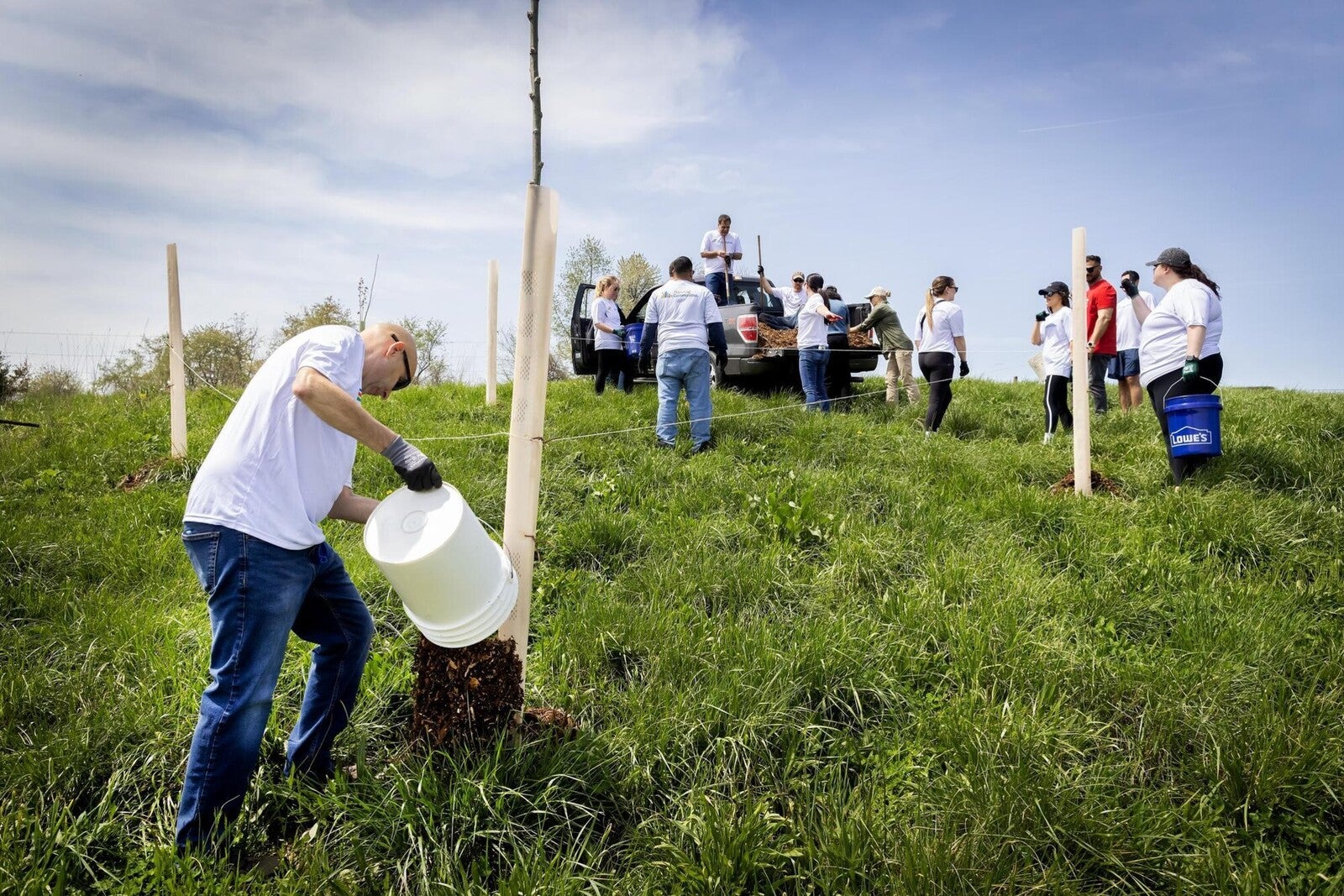
Researchers from the School of Veterinary Medicine and the Weitzman School of Design are piloting an agroforestry system at New Bolton Center that integrates trees, shrubs, and livestock to protect streamside ecosystems and improve pasture health. The project combines design and agriculture to enhance soil and water quality while offering farmers a sustainable, multifunctional land-use model.
In the Associated Press, PIK Professor Desmond Patton of the Annenberg School for Communication and the School of Social Policy & Practice discussed Instagram’s limits on teenagers’ access. It gives a “timely opening for parents and caregivers to talk directly with teens about their digital lives, how they use these tools, and how to shape safer habits that enable positive use cases,” says Patton.